The debate over socialism often seems like a product of modern politics, but America’s history tells a much longer story. Long before today’s headlines, political leaders were already arguing about the proper role of government, the limits of federal authority, economic freedom, and individual responsibility. Although the language has changed over the decades, the central questions have remained remarkably consistent.
How much power should the federal government hold? When should government intervene in the economy? How should social programs be funded? These questions have shaped presidential elections for generations and continue to influence public policy today.
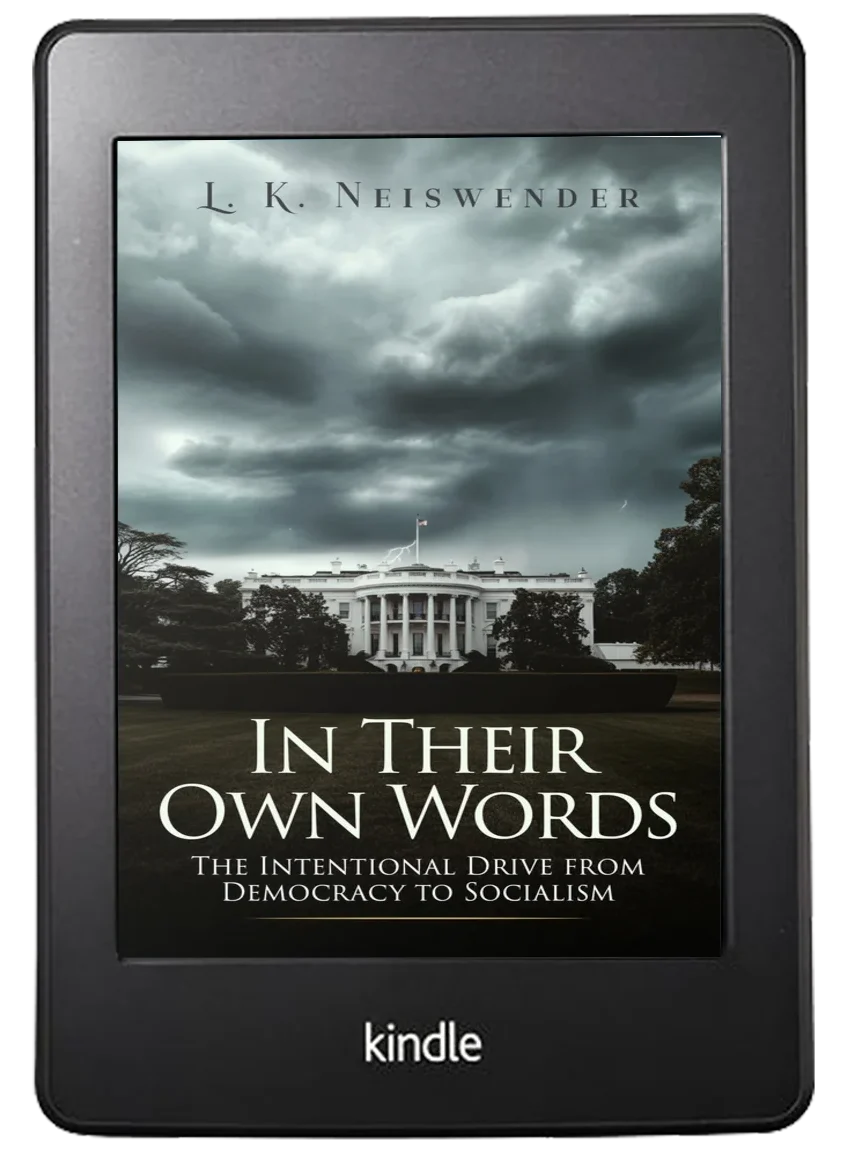
In In Their Own Words: The Intentional Drive from Democracy to Socialism, L. K. Neiswender examines these debates through the official presidential party platforms beginning with the 1952 election. Rather than relying on political commentary or media analysis, the book studies the documented positions presented by the political parties themselves. This allows readers to trace how discussions surrounding socialism, government expansion, taxation, labor, healthcare, immigration, and welfare evolved across more than seventy years of American politics.
One of the book’s greatest strengths is its historical perspective. Readers quickly discover that concerns about socialism did not suddenly emerge in recent decades. Political platforms from the middle of the twentieth century already contained discussions about government ownership, federal programs, economic regulation, and the balance between national authority and individual liberty. While the specific issues changed over time, the broader philosophical debate remained constant.
As America experienced the Cold War, economic recessions, changing social priorities, healthcare reforms, and expanding federal programs, political parties adapted their agendas to address new challenges. Yet the underlying disagreement often centered on the same principle: how much responsibility should belong to the federal government, and how much should remain with states, communities, businesses, and individual citizens?
Neiswender carefully follows these developments by allowing readers to compare election platforms across decades. This approach encourages readers to examine original political documents rather than depending solely on modern interpretations. It becomes possible to see how certain themes continued to reappear, even as new policies and political leaders entered the national stage.
The value of understanding this history extends beyond politics. It provides insight into why many current debates feel so familiar. Questions about healthcare, education, taxation, labor policy, welfare, government spending, and economic regulation are not isolated modern disputes. They are chapters in a much longer national conversation that has shaped American political thought for generations.
https://www.amazon.com/dp/B0H2JWM6GZ: The Intentional Drive from Democracy to Socialism offers readers a thoughtful examination of that conversation through the historical record. L. K. Neiswender presents a detailed look at how political parties described their own priorities, giving readers the opportunity to study America’s evolving political landscape through original source material. For anyone interested in history, public policy, or the development of American political ideas, this book provides a fascinating journey into one of the nation’s most enduring debates.
Available now on Amazon: https://www.amazon.com/dp/B0H2JWM6GZ